March 12, 2026
In recent years, regenerative medicine has grown in prominence, especially in sports. One technique for capturing attention is Platelet-Rich Plasma (PRP) treatment. PRP involves using a concentration of a patient’s own platelets to accelerate healing, providing a minimally invasive alternative to surgery or long-term medication. Athletes benefit from faster recovery, reduced risk of re-injury, and improved performance through this innovative approach, which leverages natural biological processes to address tissue damage more effectively.
Understanding PRP Treatment
Definition and Basics
PRP is derived from the patient’s blood and contains high levels of growth factors and cytokines that aid tissue repair. After a blood draw, centrifugation separates the platelet-rich plasma, which is then injected into injured areas. By leveraging the body's natural healing mechanisms, the PRP treatment service provides a safe and natural option for athletes seeking accelerated recovery. Its minimally invasive nature also means fewer complications and quicker resumption of normal activities.
History and Development
PRP has origins in maxillofacial surgery but has expanded to sports medicine over the decades. As researchers refined preparation techniques and studied its effects, PRP treatment service gained acceptance for musculoskeletal injuries, helping athletes recover more efficiently while avoiding invasive procedures. With time, protocols have become more standardized, improving the predictability of outcomes and fostering broader clinical confidence in PRP therapy.
Mechanism of Action
PRP therapy works by releasing growth factors that regulate inflammation, cellular proliferation, and tissue remodeling. By enhancing the body’s regenerative environment, PRP promotes faster healing and stronger tissue, making it a staple in many sports medicine practices. The treatment stimulates local repair mechanisms, often reducing the need for prolonged immobilization or extensive physical therapy sessions.
Current Medical Uses
Beyond sports medicine, PRP treatment service is used in dermatology, orthopedics, and plastic surgery. Applications include facial rejuvenation, chronic wound healing, and treatment of osteoarthritis. Its versatility in promoting tissue repair underscores its value across multiple medical disciplines, and ongoing research continues to identify new therapeutic areas where PRP may offer measurable benefits.
Regulatory Perspective
PRP regulations vary worldwide. In the U.S., the FDA classifies PRP as a minimally manipulated product, while European countries often require medicinal product approval. Clinics must navigate these frameworks to offer PRP treatment services safely and legally. As awareness grows, the push for harmonized international guidelines may help standardize treatment protocols and expand access to patients globally.
Role of PRP in Sports Injuries
Common Sports-Related Injuries Treated
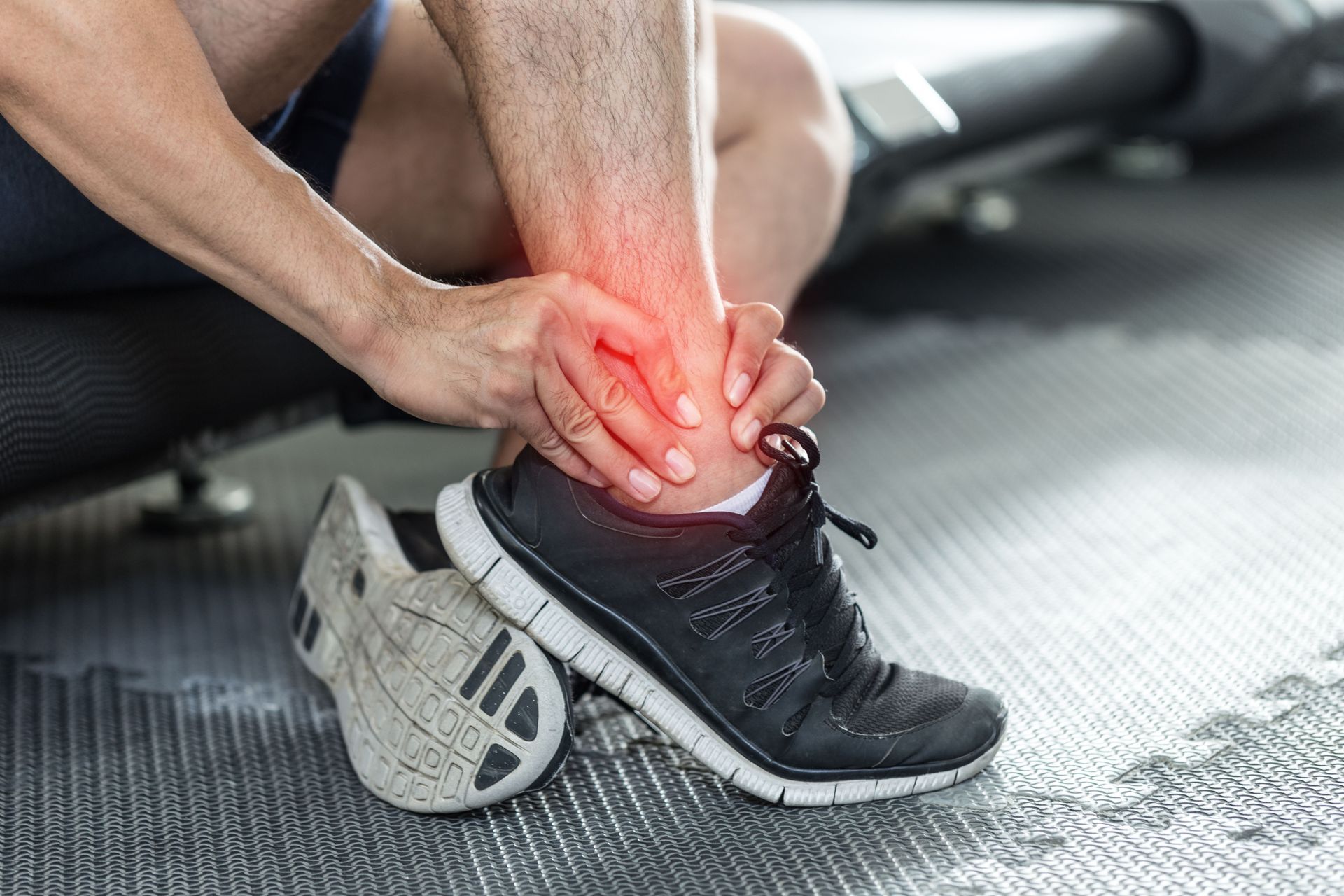
Athletes commonly face tendinitis, ligament strains, and muscle tears. PRP treatment service helps manage these injuries by reducing inflammation, accelerating tissue repair, and shortening recovery times. Tendinitis responds well to PRP’s anti-inflammatory properties, while ligament and muscle injuries benefit from faster tissue regeneration. This makes PRP a highly sought-after option for competitive athletes with demanding schedules who need efficient and reliable recovery methods.
Effectiveness Compared to Traditional Treatments
Unlike surgery or long-term medication, PRP offers a less invasive approach with fewer risks. According to Research Gate, a study of sports team physicians found that approximately 93% use PRP in their practices, and 72% use ultrasonography for injection guidance. This highlights both its acceptance and precision in professional sports medicine. Compared to conventional treatments, PRP often leads to quicker functional recovery while minimizing downtime.
Recovery Time and Rehabilitation
PRP treatment service can shorten recovery periods, enabling athletes to regain strength and mobility faster. Combined with targeted rehabilitation exercises, PRP helps athletes return to or even surpass their previous performance levels. Faster recovery not only benefits professional athletes but also recreational sports participants who wish to minimize downtime and return safely to their activities.
Challenges and Limitations
PRP is not universally effective; patient response varies. Standardized protocols are lacking, and PRP is typically unsuitable for acute fractures or infections. Insurance coverage also varies, which can limit access due to cost. Ongoing research aims to optimize outcomes and standardize treatment protocols, while exploring patient selection criteria to maximize treatment efficacy.
PRP Treatments in Professional Sports
Adoption in Various Sports
PRP treatment service is widely adopted in professional sports, including football, basketball, and baseball. Teams use it to expedite recovery, maintain peak performance, and prevent injuries, making it a critical component of athlete care. Its proactive use helps teams manage both acute injuries and chronic conditions that could affect long-term player availability.
Performance and Longevity
PRP strengthens tissues, reduces downtime, and allows athletes to train more effectively. Addressing injuries quickly, it contributes to longer athletic careers and sustained high-level performance. Over time, this approach may reduce cumulative joint stress and chronic damage, improving overall career longevity.
Future Directions
PRP research is expanding into combination therapies, individualized treatment plans, and advanced delivery methods. As technologies and knowledge advance, PRP treatment services will likely see broader applications and improved outcomes in sports medicine. Personalized approaches tailored to specific injuries or athlete profiles could maximize the regenerative potential of PRP in the future.
Technological Advances in PRP Therapy
Innovations in PRP Extraction
Automated centrifuges now allow higher consistency and platelet concentration, enhancing treatment effectiveness. Clinics can tailor PRP treatment service to patient needs, ensuring personalized care. This also reduces preparation errors and improves reproducibility across different treatment sessions.
Enhanced Delivery Systems
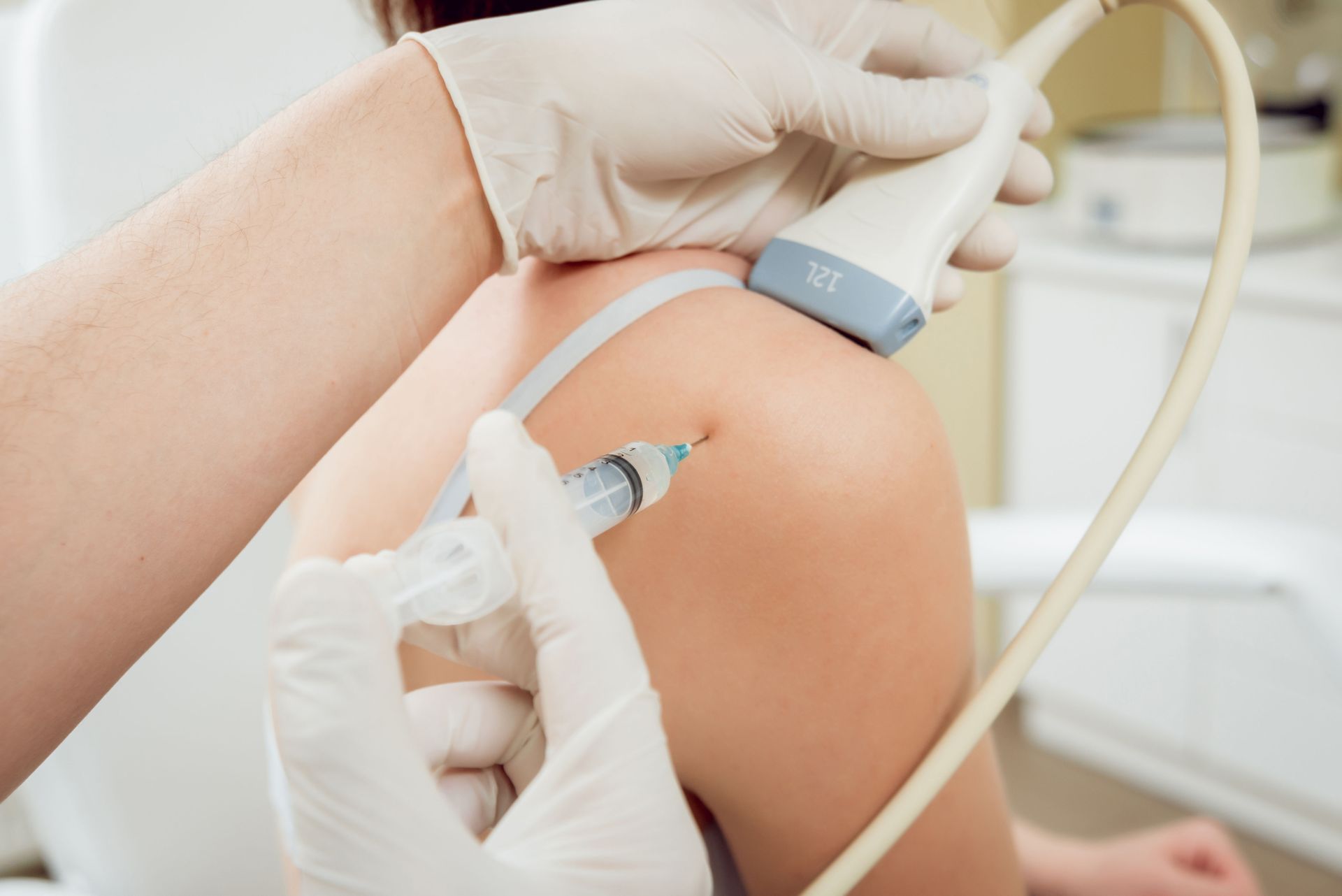
Ultrasonography guides precise injection, maximizing therapeutic benefits and minimizing discomfort. Delivery technologies continue to evolve, with potential future advancements including robotic-assisted injections. Precise delivery ensures PRP reaches the exact site of injury, increasing healing efficiency.
Combination with Other Therapies
Integrating PRP with physical therapy or stem cell treatments improves outcomes. Combination approaches accelerate recovery by leveraging multiple regenerative pathways that PRP alone might not achieve. Patients may experience reduced inflammation, enhanced tissue regeneration, and better overall functional recovery.
Monitoring and Evaluation
Advanced monitoring devices track tissue regeneration and pain reduction in real time. This ensures PRP treatment service effectiveness is quantified and optimized for each patient, providing measurable evidence of clinical improvement.
Cost Reduction Measures
Technological improvements are reducing costs, making PRP more accessible. Economies of scale and streamlined procedures contribute to wider availability and potential insurance coverage expansion, enabling more athletes and patients to benefit from this therapy.
Long-term Efficacy
Emerging evidence indicates PRP provides sustained improvements in tissue health, suggesting benefits beyond immediate injury recovery. This underscores its potential as a long-term preventative and therapeutic solution for athletes.
Market Growth and Demand
Demand for PRP treatment service is rising due to positive outcomes and its minimally invasive nature. Awareness among athletes and healthcare providers is driving growth in the sports medicine market, and this trend is expected to continue in the coming years.
Cost-Benefit Analysis
PRP offers fewer risks, faster recovery, and long-term savings compared to surgery. Organizations investing in PRP treatment service may see improved athlete performance and reduced downtime, ultimately benefiting both players and teams financially.
PRP treatment service is transforming sports medicine by harnessing the body’s natural healing processes. It provides faster recovery, improved performance, and extended athletic careers. Ongoing research, technological innovation, and increasing adoption underscore PRP’s vital role in modern sports medicine, offering athletes a safer, effective, and cutting-edge pathway to recovery. As this therapy evolves, it promises to become an indispensable component of injury prevention and performance optimization across all levels of sports. Want to learn more about whether a PRP treatment service is right for you? Contact Rainier Foot and Ankle Associates today.