January 29, 2026
Joint pain can limit mobility, reduce quality of life, and interfere with everyday activities. For individuals seeking non-surgical options, PRP treatment has gained attention as a regenerative approach that uses the body’s own biological processes to support healing. This therapy is commonly considered for chronic joint discomfort affecting areas such as the ankle, knee, or foot, particularly when conservative treatments have not delivered lasting relief.
Unlike temporary symptom management, PRP treatment focuses on supporting tissue recovery. By concentrating platelets from a patient’s own blood and reintroducing them into the affected joint, clinicians aim to stimulate a localized healing response that may improve function and reduce inflammation over time.
Explaining How PRP Treatment Works
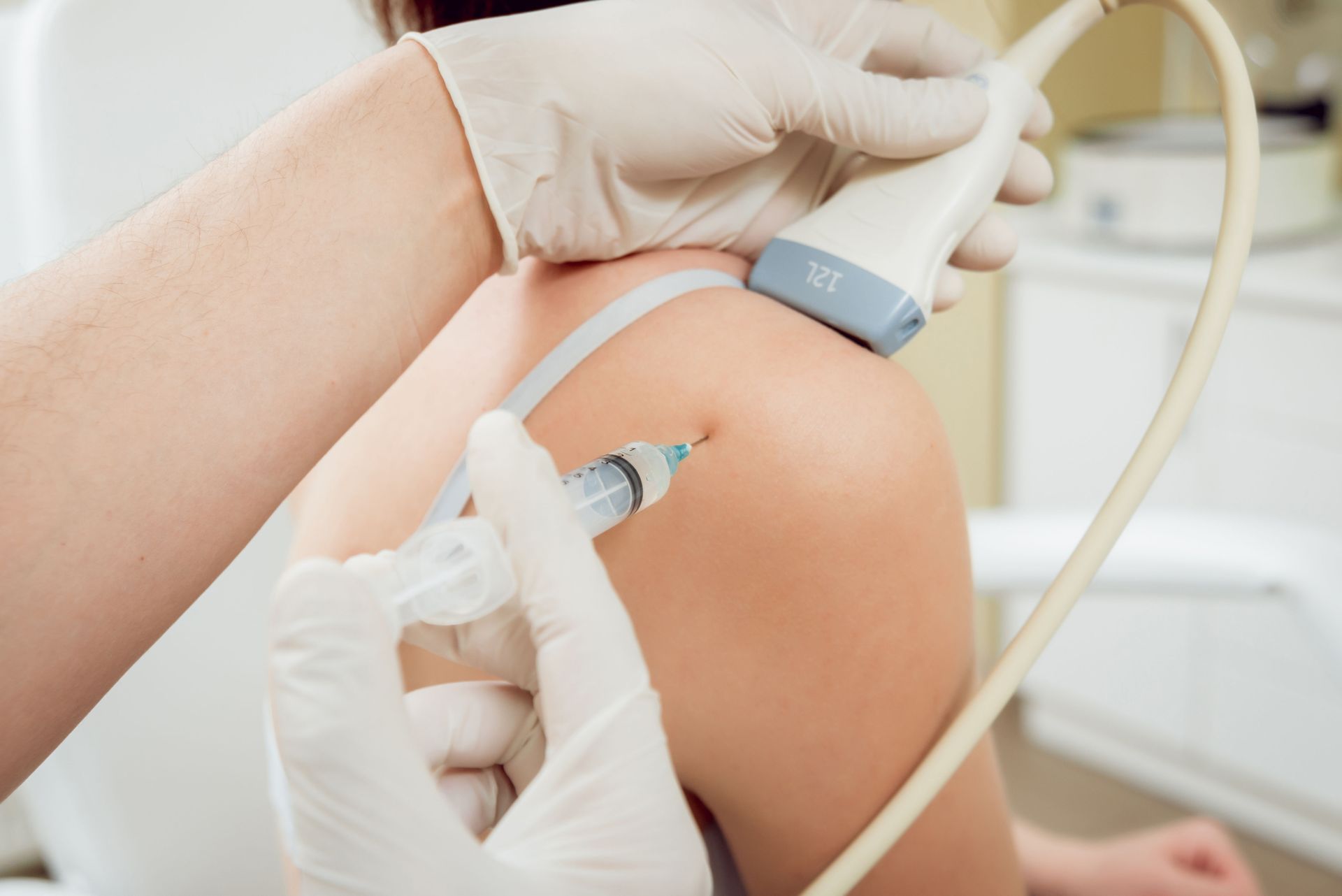
Platelets play a key role in the body’s natural healing process. They contain growth factors that help repair damaged tissues and regulate inflammation. In PRP treatment, a small blood sample is processed to isolate and concentrate platelets before injection into the targeted joint.
According to Cleveland Clinic, a PRP injection contains several times more platelets than what is typically found in a standard blood sample. This higher concentration is intended to enhance the body’s response at the site of injury. The process is minimally invasive and performed in a clinical setting under professional supervision.
Identifying Joint Conditions That May Respond Well
Not all joint pain has the same underlying cause, which is why patient selection is critical. PRP treatment is often considered for individuals with mild to moderate joint degeneration, tendon irritation, or ligament strain. Conditions involving cartilage wear or repetitive stress injuries may also be evaluated.
Patients experiencing chronic discomfort that has not improved with physical therapy, bracing, or medication may be candidates. The goal is not to replace surgery when it is clearly necessary, but to offer an alternative that supports healing before more invasive options are pursued.
Recognizing the Importance of Overall Health
A patient’s general health plays an important role in determining suitability for PRP treatment. Individuals with stable medical conditions and realistic expectations tend to see the best outcomes. Because the therapy relies on the body’s healing capacity, factors such as circulation, metabolic health, and activity level are all considered.
Certain conditions, including active infections or specific blood disorders, may affect eligibility. A thorough evaluation helps ensure that PRP treatment is appropriate and safe, while also maximizing the likelihood of meaningful improvement.
Evaluating Activity Level and Lifestyle Factors
Activity demands often influence whether someone is a good candidate for PRP treatment. Active individuals who place repetitive stress on their joints may benefit from regenerative therapies that support tissue repair without extended downtime. At the same time, patients who can temporarily modify activity during recovery often experience better results.
Lifestyle factors such as smoking, nutrition, and overall movement habits can affect healing potential. During a consultation, clinicians assess these elements to determine how PRP treatment may fit into a broader care plan tailored to the individual.
Understanding Age and Degenerative Changes
Age alone does not disqualify someone from PRP treatment, but the extent of joint degeneration matters. Early-stage arthritis or moderate cartilage changes may respond more favorably than advanced joint damage. The goal is to intervene while there is still viable tissue capable of responding to growth factors.
By evaluating imaging studies and clinical findings, providers can determine whether PRP treatment is likely to provide benefit or whether alternative interventions should be considered. This careful assessment ensures that patients receive care aligned with their specific condition.
Considering Previous Treatment History
Patients who have already tried conservative treatments without sufficient relief often explore PRP treatment as a next step. This includes individuals who have completed physical therapy, used orthotics, or received traditional injections but continue to experience joint pain.
A detailed treatment history helps clinicians understand how the joint has responded in the past and whether PRP treatment may offer a different mechanism of support. It also helps set realistic expectations regarding outcomes and timelines.
Reviewing Expectations and Recovery Outlook
Clear expectations are essential when considering PRP treatment. While many patients experience gradual improvement, results are not immediate. The body needs time to respond to the increased concentration of platelets and growth factors within the joint.
Most individuals return to daily activities shortly after treatment, but improvement typically develops over weeks rather than days. Understanding this process helps patients remain engaged in their care and recognize progress as healing occurs.
Assessing Joint Stability and Alignment
Joint stability and alignment can influence the success of PRP treatment. Abnormal mechanics or uneven loading may continue to irritate tissues even after regenerative therapy. For this reason, clinicians often evaluate gait, posture, and joint movement patterns during the assessment process.
Addressing contributing factors alongside PRP treatment supports longer-lasting results. This comprehensive approach ensures that the therapy is part of a well-rounded plan focused on joint health rather than a standalone solution.
Weighing PRP Treatment Against Other Options
Choosing PRP treatment involves understanding how it compares with other non-surgical interventions. While medications may temporarily reduce inflammation, they do not actively support tissue repair. In contrast, PRP treatment is designed to encourage a biological healing response.
This distinction makes it appealing to patients seeking longer-term improvement rather than short-term symptom relief. A professional consultation helps weigh the benefits and limitations of each option based on the individual’s condition and goals.
Determining Who May Benefit Most
The best candidates for PRP treatment are individuals with localized joint pain, preserved joint structure, and a commitment to following professional guidance. Those seeking to delay or avoid surgery while maintaining mobility often find regenerative therapies appealing.
A personalized evaluation ensures that PRP treatment is recommended only when it aligns with clinical findings and patient needs. This careful selection process is essential for achieving meaningful and sustainable outcomes.
Understanding the Role of Professional Evaluation
Professional assessment is the cornerstone of successful PRP treatment. Imaging, physical examination, and a detailed health history provide the information needed to determine candidacy. This process also helps identify any factors that may limit effectiveness or require additional care.
By tailoring treatment recommendations to the individual, providers ensure that PRP treatment is used appropriately and responsibly within a comprehensive care plan.
Recognizing the Value of Specialized Foot and Ankle Care
Joint pain affecting the foot and ankle presents unique challenges due to the complexity of these structures. Specialized providers understand how biomechanics, load distribution, and mobility demands affect outcomes. This expertise is particularly important when considering PRP treatment for lower extremity joints.
Targeted evaluation and precise application support optimal results and reduce the risk of ongoing irritation. Choosing experienced professionals ensures that treatment decisions are grounded in both clinical evidence and practical understanding.
If joint pain is limiting your movement or quality of life, exploring regenerative options may be worthwhile.
PRP treatment offers a minimally invasive approach designed to support healing using the body’s own resources. Determining whether you are a good candidate begins with a thorough professional evaluation.
At Rainier Foot and Ankle Associates, we specialize in evaluating joint conditions and offering advanced care options tailored to your needs. If you are considering PRP treatment for joint pain, our experienced team is here to guide you through every step. Contact Rainier Foot and Ankle Associates today to schedule a consultation and learn whether this regenerative approach is right for you.