March 17, 2026
Platelet-rich plasma therapy has gained increasing attention in modern medicine as people look for treatment options that address the root cause of pain rather than simply masking symptoms. Many traditional approaches rely on medications or invasive procedures that may offer temporary relief but do little to support the body’s natural healing processes. Regenerative treatments such as PRP focus on using the body’s own biological materials to encourage tissue repair, reduce inflammation, and restore function. For individuals dealing with chronic pain, sports injuries, or foot and ankle conditions, these therapies represent a promising shift toward more sustainable care.
As regenerative medicine continues to evolve, more patients are seeking guidance from a qualified PRP treatment provider who can help determine whether this therapy may be appropriate for their condition. From tendon injuries to joint discomfort, PRP therapy offers a pathway that emphasizes healing rather than long-term dependency on medication. Understanding how PRP works and how it compares to traditional pain management can help patients make informed decisions about their care.
1. Understand How PRP Supports Natural Healing
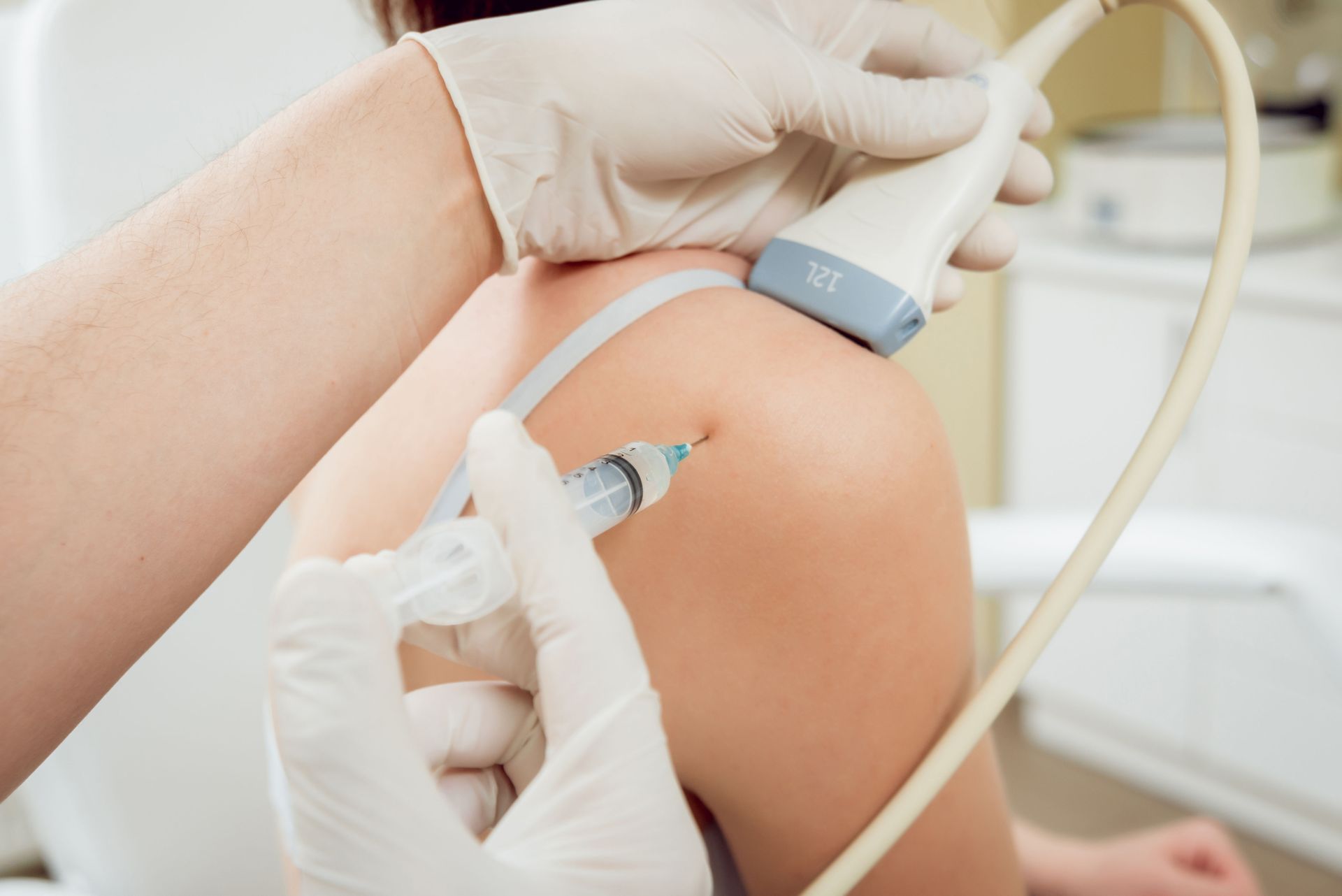
Platelet-rich plasma therapy begins with a straightforward process that uses a patient’s own blood to support healing. A small sample of blood is drawn and placed in a centrifuge, which separates the different components of the blood and concentrates platelets into a plasma solution rich in growth factors. A skilled PRP treatment provider then injects this plasma into the area experiencing pain or injury. These growth factors help stimulate cell regeneration, increase circulation to damaged tissue, and reduce inflammation that contributes to discomfort. Because the treatment relies on the body’s own biological materials, it works with the natural healing process rather than introducing foreign substances. This regenerative approach can be especially helpful for injuries affecting tendons, ligaments, and soft tissues that may otherwise heal slowly. Over time, encouraging the body to repair itself at a cellular level can lead to improved mobility, reduced inflammation, and stronger tissue recovery.
2. Recognize How PRP Differs From Traditional Pain Management
Traditional pain management methods often focus on relieving symptoms rather than addressing the source of the problem. Treatments such as anti-inflammatory medications, corticosteroid injections, and surgical procedures can provide temporary relief, but they may not actively promote tissue repair. Working with an experienced PRP treatment provider introduces a different strategy centered on regenerative healing. PRP therapy delivers concentrated growth factors directly into the injured area, encouraging the body to rebuild damaged tissue and restore function. Instead of repeatedly suppressing pain signals, the treatment supports biological recovery so the underlying issue can improve over time. This difference can be meaningful for patients who have struggled with persistent discomfort or injuries that have not responded well to conventional treatments. When regenerative therapy is combined with rehabilitation strategies like physical therapy, patients may experience more comprehensive improvements in both pain levels and mobility.
3. Reduce Risks Associated With Synthetic Treatments
One of the key advantages of PRP therapy lies in its safety profile compared with treatments that rely on synthetic medications or substances. Because PRP is created from the patient’s own blood components, the likelihood of adverse reactions is significantly lower. According to Johns Hopkins Medicine, because PRP injections are made up of your own cells and plasma, the risk of an allergic reaction is much lower than with other injectable medications. A qualified PRP treatment provider carefully prepares the platelet-rich plasma to ensure it contains a concentrated amount of healing factors before administering the injection precisely where it is needed. This targeted approach minimizes the exposure of surrounding tissues while maximizing the regenerative effect within the injured area. Patients who are concerned about long-term medication use or sensitivities to certain drugs often find comfort in treatments that rely on the body’s own biological materials. By supporting healing with naturally occurring components, PRP therapy offers a solution that emphasizes both effectiveness and compatibility with the body.
4. Explore Long-Term Cost Benefits of Regenerative Therapy
Although regenerative therapies may initially appear more expensive than some conventional treatments, their long-term value can become clearer over time. Chronic pain management often involves repeated doctor visits, prescription medications, and in some cases surgical procedures that require extended recovery periods. Consulting with a knowledgeable PRP treatment provider allows patients to evaluate how regenerative therapy may reduce reliance on these ongoing treatments. By addressing the underlying causes of tissue damage, PRP therapy can support more lasting improvements that decrease the need for repeated interventions. Patients who experience improved healing may require fewer appointments, less medication, and less time away from work or daily activities. Over time, these factors can contribute to meaningful cost savings while also improving quality of life. When regenerative medicine successfully restores tissue health and reduces recurring symptoms, the financial and personal benefits often extend well beyond the initial treatment period.
5. Improve Overall Quality of Life Through Regenerative Care
Chronic pain and injury can affect more than just physical health; they often impact emotional well-being, daily routines, and the ability to remain active. Regenerative therapies aim to improve these aspects of life by helping the body heal in a way that restores strength and mobility. A skilled
PRP treatment provider evaluates each patient’s condition carefully to determine how PRP therapy may support recovery and long-term comfort. By stimulating tissue repair and reducing inflammation, PRP treatments can help patients regain the ability to participate in normal activities with less discomfort. Many individuals report improved mobility, reduced stiffness, and greater confidence in their ability to stay active. These improvements can have a positive ripple effect on overall health, including mental and emotional wellness. As pain decreases and mobility increases, patients often experience renewed motivation to engage in exercise, hobbies, and daily responsibilities that may have once felt difficult.
6. Address Foot and Ankle Conditions With Targeted PRP Therapy
Foot and ankle injuries are particularly common because these structures support the body’s weight and endure constant movement throughout the day. Conditions such as plantar fasciitis, tendon inflammation, and sports-related injuries can interfere with walking, running, and daily tasks. In these situations, regenerative medicine may provide a valuable treatment option. A dedicated PRP treatment provider can evaluate whether platelet-rich plasma therapy may help support healing in these areas by stimulating tissue regeneration and reducing inflammation. Because the therapy delivers growth factors directly into the affected region, it helps create an environment that encourages damaged tissue to repair itself more efficiently. PRP therapy is often incorporated into broader treatment plans that may include physical therapy, orthotics, or lifestyle adjustments designed to reduce strain on the feet and ankles. When used as part of a comprehensive care strategy, regenerative treatments can help patients recover mobility and return to their normal routines more comfortably.
Regenerative medicine continues to reshape how many medical professionals approach chronic pain and musculoskeletal injuries. Instead of relying solely on treatments that suppress symptoms, therapies such as PRP focus on supporting the body’s ability to heal itself. This approach can be particularly meaningful for individuals dealing with foot and ankle injuries, sports-related strains, and conditions that limit mobility.
At Rainier Foot and Ankle Associates, we offer personalized care designed to help patients explore advanced treatment options that support long-term recovery. If you are looking for a PRP treatment provider to help address foot pain, sports injuries, or other lower extremity concerns, our team is here to help. Contact Rainier Foot and Ankle Associates to schedule a consultation and learn whether PRP therapy could be the right step toward restoring comfort and mobility.