March 17, 2026
In recent years, Platelet-Rich Plasma (PRP) therapy has gained popularity among athletes as a treatment option. This article explores why PRP injections are becoming a favored solution in the sports world. Athletes, constantly pushing their bodies to the limit, often face injuries that require effective and holistic healing strategies. Traditional treatments such as surgery and medication have their drawbacks, leading to an increased interest in alternative approaches. PRP therapy, focusing on the body's natural healing processes, is increasingly filling that gap, offering promise in both the speed and quality of recovery. As awareness increases, many athletes now seek local prp treatment options that allow faster access to care and continuity throughout the recovery process.
Understanding PRP Injections
PRP injections are designed to enhance the body’s ability to repair damaged tissue by concentrating naturally occurring growth factors at the injury site. This targeted approach has positioned PRP as a leading regenerative option within sports medicine. As research expands, athletes and clinicians alike are gaining a deeper understanding of how PRP supports both short-term recovery and long-term tissue health.
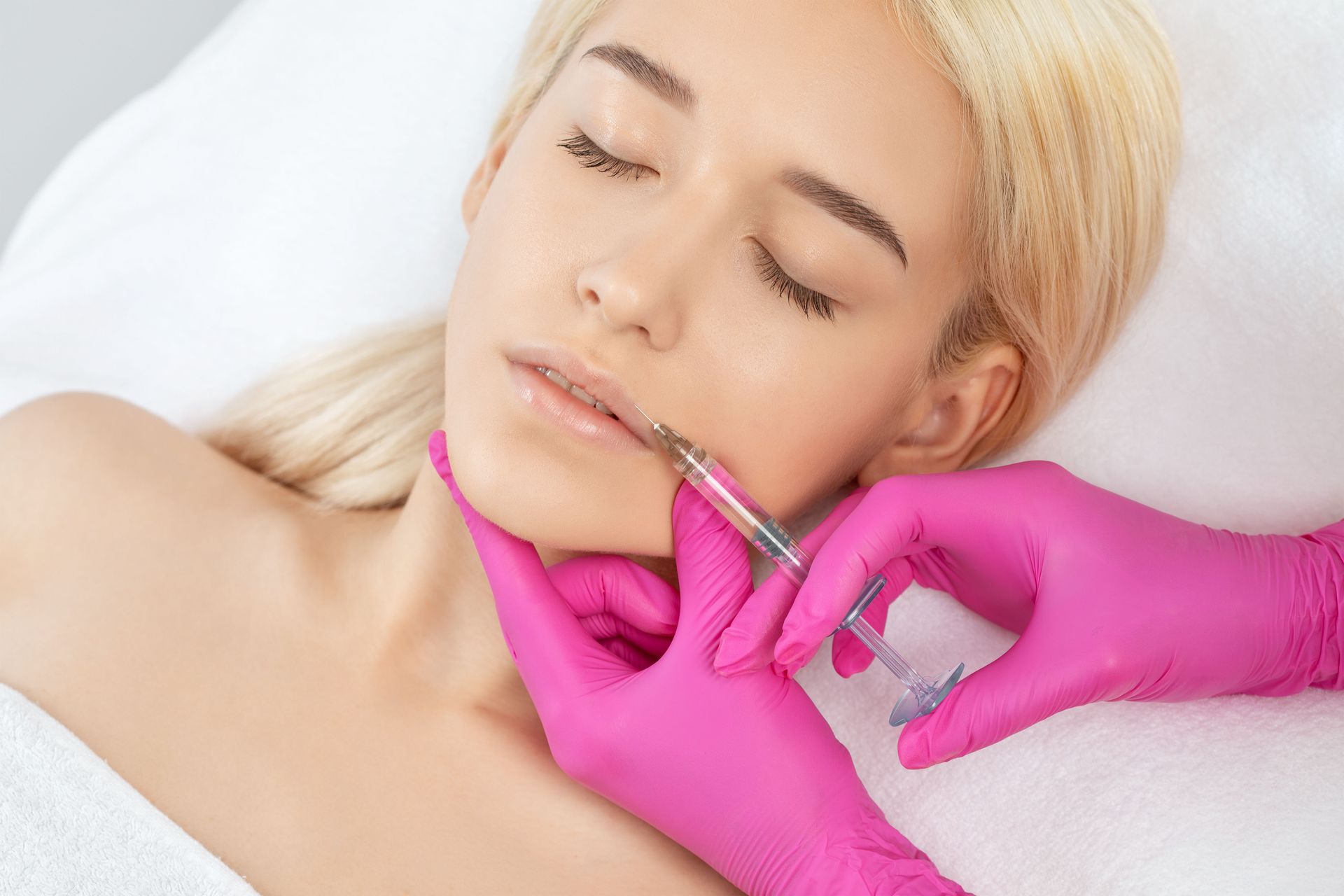
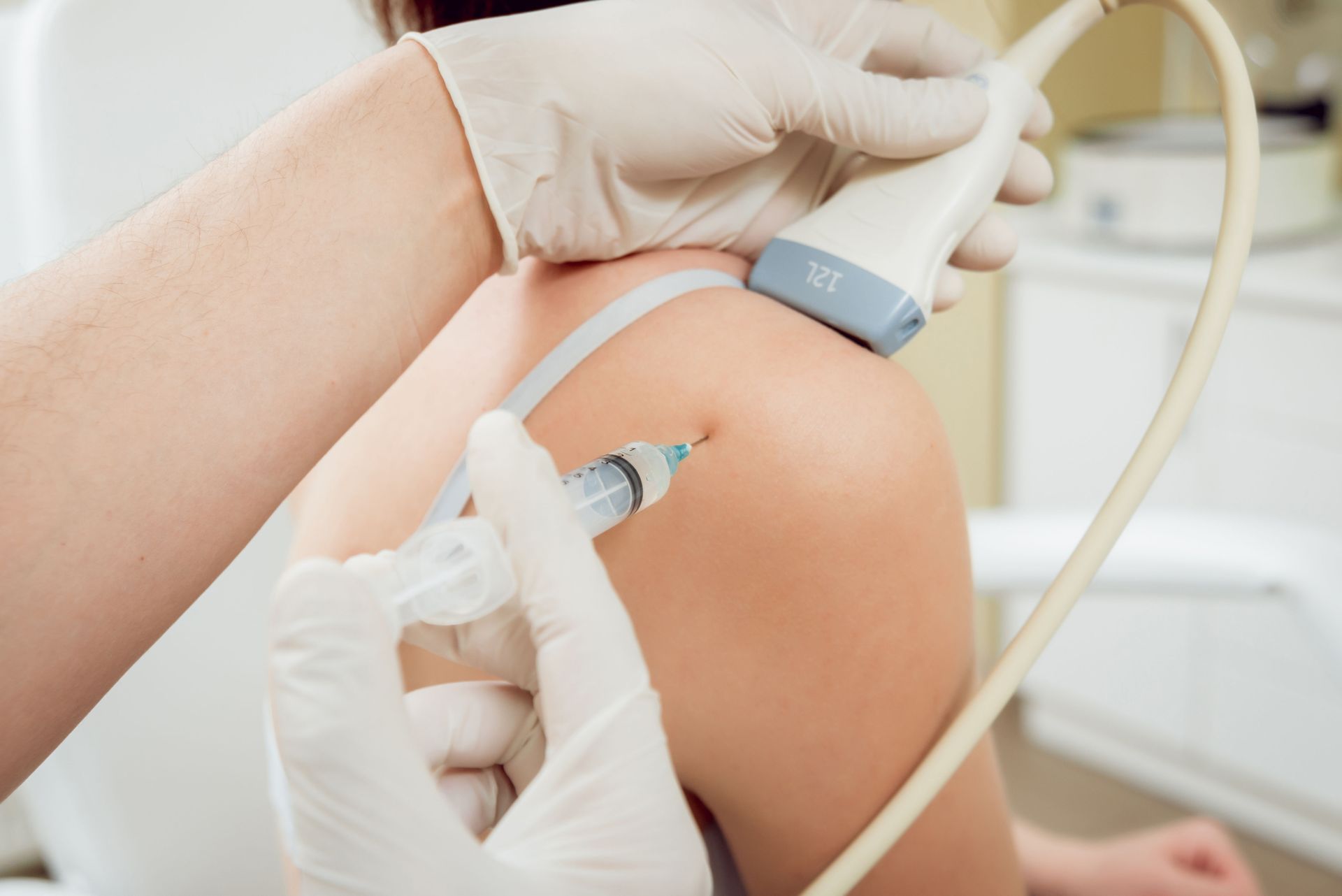
Platelet-Rich Plasma is derived from a patient's own blood, concentrated to contain more platelets than normal. These platelets play a crucial role in the healing process, as they contain growth factors that can stimulate the repair of tissues. PRP injections involve drawing a small amount of blood from the patient, processing it to increase the platelet concentration, and injecting it back into the injured tissue. Originally developed for wound healing and dentistry, PRP has found a strong foothold in sports medicine due to its minimally invasive nature.
The science of PRP revolves around the concentration of platelets, which aid in blood clotting and enhance tissue regeneration. Platelets release growth factors that recruit stem cells and enhance healing at the injury site. This amplified healing cascade is especially valuable for tissues with limited blood supply, such as tendons and ligaments, where recovery is typically slow.
PRP therapy began its journey in the late 20th century, with early applications in oral surgery and wound care. As centrifuge technology improved, clinicians were able to produce more consistent and effective platelet concentrations. These advancements helped PRP transition into orthopedic and sports medicine settings, where demand for non-surgical recovery options continues to rise.
Benefits of PRP for Athletes
One of the most significant benefits of PRP therapy for athletes is its ability to accelerate healing while reducing time away from competition. By delivering concentrated growth factors directly to injured tissues, PRP promotes faster regeneration and improved tissue quality. Its growing adoption at elite levels of sport reflects this value—according to Research Gate, a survey showed collegiate team physicians and National Football League physicians treated the most players per season with PRP (69.4 and 60.4 players, respectively). Many athletes turn to local prp treatment providers to ensure timely intervention and ongoing follow-up throughout rehabilitation.
PRP therapy also offers a strong safety profile. Because the treatment is derived from the patient’s own blood, risks associated with allergic reactions or immune responses are minimal. This makes PRP particularly attractive for athletes who must carefully manage both performance and long-term health.
Beyond recovery, PRP may contribute to long-term performance optimization. By strengthening repaired tissues and supporting joint health, PRP can reduce the likelihood of reinjury. Over time, this proactive benefit may help athletes maintain consistent training schedules and extend their competitive careers.
Common Sports Injuries Treated with PRP
PRP therapy is commonly used to address soft tissue injuries such as sprains, strains, and muscle tears. These injuries often respond well to regenerative treatments that enhance circulation and cellular repair. Athletes seeking local prp treatment frequently do so to manage these injuries early and prevent them from becoming chronic issues.
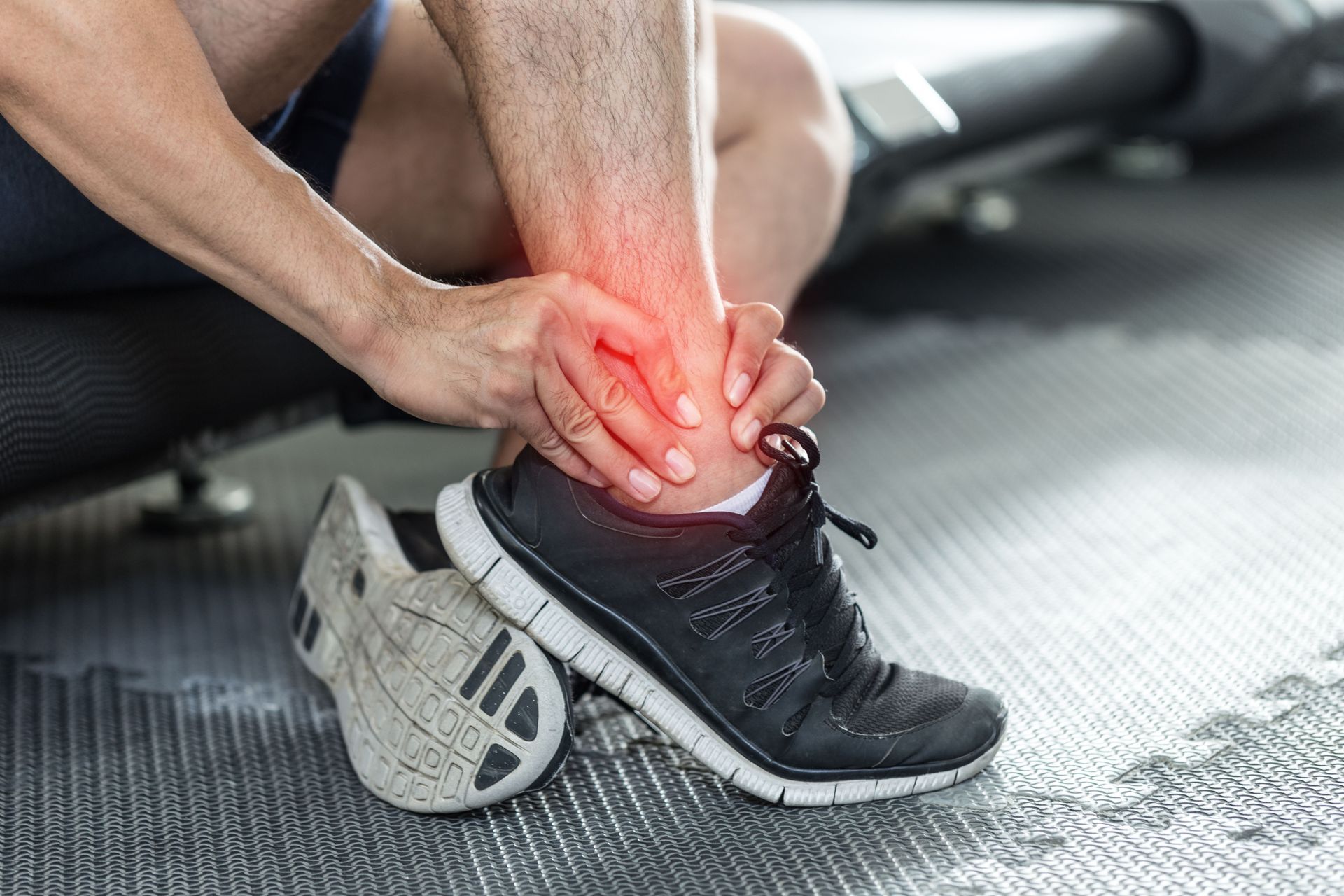
Tendon and ligament injuries are particularly well suited for PRP therapy due to their limited blood supply. PRP stimulates collagen production, which is essential for restoring strength and flexibility in these connective tissues. This makes PRP a valuable option for conditions such as tennis elbow, Achilles tendinitis, and ligament sprains.
Joint injuries, including cartilage degeneration and early-stage arthritis, are another area where PRP shows promise. By reducing inflammation and supporting cartilage health, PRP can improve joint function and mobility. This non-surgical option is especially beneficial for aging athletes or those managing cumulative joint stress.
Integrating PRP With Rehabilitation Programs
PRP therapy is most effective when integrated into a structured rehabilitation program. Physical therapy plays a critical role in restoring strength, flexibility, and movement patterns after treatment. When combined with guided rehabilitation, PRP supports tissue healing while helping athletes regain proper biomechanics and reduce compensatory movement habits.
Strength training and mobility work are often reintroduced gradually following PRP injections. This controlled progression allows healing tissues to adapt safely to increased demands. Athletic trainers and clinicians frequently collaborate to tailor rehabilitation timelines based on injury severity, sport-specific demands, and individual recovery responses.
Recovery monitoring is another important aspect of post-PRP care. Regular assessments help identify improvements in pain levels, range of motion, and functional performance. This data-driven approach allows adjustments to rehabilitation plans and supports a safer return to play. Athletes benefit from clear milestones that guide their recovery journey.
Choosing the Right PRP Provider
Selecting the right provider is a critical step in achieving optimal outcomes with PRP therapy. Experience, preparation techniques, and post-treatment protocols can all influence results. Athletes are encouraged to research clinics that specialize in local prp treatment and have a strong background in sports medicine.
Access to local prp treatment also supports continuity of care, allowing athletes to combine PRP with physical therapy and performance training. Proximity makes it easier to attend follow-up visits and adjust treatment plans as recovery progresses.
Challenges and Considerations of PRP Therapy
Despite its advantages, PRP therapy presents certain challenges. Variability in preparation methods and treatment protocols can lead to inconsistent outcomes. Standardization across providers remains an ongoing goal within the medical community.
Cost and insurance coverage also influence accessibility. Many athletes pay out-of-pocket for PRP therapy, which can limit availability. However, as clinical evidence continues to grow, broader insurance recognition may follow.
Future of PRP in Sports Medicine
The future of PRP therapy is shaped by ongoing innovation and research. Advances in biologics, imaging guidance, and combination therapies are expanding PRP’s potential applications. As these developments progress, local prp treatment options are expected to become more precise and outcome-driven.
PRP is also being explored as a preventative tool, helping athletes strengthen vulnerable tissues before injury occurs. This shift from reactive care to proactive maintenance could redefine how athletes approach long-term health and performance.
Education and expectation setting are also important components of PRP therapy success. Athletes who understand the healing timeline and post-treatment limitations are more likely to follow guidance and avoid setbacks. Clear communication between providers and patients helps align recovery goals with realistic outcomes. This collaborative approach encourages adherence to rehabilitation plans and supports better long-term results, particularly for athletes returning to high-demand training and competition environments.
PRP therapy continues to gain traction among athletes due to its regenerative potential and minimally invasive approach. By leveraging the body’s natural healing mechanisms, it offers an effective alternative to traditional treatments. As research advances and access to local prp treatment expands, PRP is poised to play an increasingly important role in sports medicine. Its ability to support recovery, reduce reinjury, and extend athletic longevity positions PRP as a transformative option for the future of athlete care. Contact Rainier Foot and Ankle Associates today and get connected with our advanced treatments.